How does a scholar study a border they suddenly cannot cross? Oğuzhan İzmir invites fellow border scholars to be more open about how their perspective and prejudices shape their research.
Oguzhan completed his Masters in Border Studies at Koç University in 2022.
Border studies have extensively explored the relationship between identities and borders in the last two decades. Since Aanssi Paasi defined borders as symbols for territorial identification, not only has the question “Who borders?” become central, researchers have also investigated the role of borders in shaping various forms of belonging and identity. Yet little attention has been paid to the identity and prejudices of the researchers themselves. Considering that ethnographic research methods are widely applied in border studies, it is regrettable that the researcher’s perspective remains largely unexamined, and discussions regarding methodology are left behind in the ethnography domain.
Perspective matters a lot in border studies literature: in the emergent onto-epistemologies of the border studies literature, what a researcher makes of the ethnographic data largely depends on how the subject of the study is framed. This negligence must have originated from the understanding that adding a cross-border component to a study is sufficient as a method to eliminate prejudices. Discussions on the introspective processes and the motives that drive researchers are undervalued.
I want to take a step further and ask: Does this contingency also imply diminished validity for non-cross-border studies? This was a question I struggled to answer during my thesis research on the Greece-Turkey border that took place from 2020 to 2023. It was not possible for me to reach one of Europe’s migration hotspots at the time, let alone cross to Greece. Rather than spending my time trying to overcome various bureaucratic, economic, and linguistic barriers, I decided to delve deeper into what has been a familiar and welcoming landscape to me, and conducted research focusing on daily life on the Turkish side of the border, on rural Edirne, where I was raised.
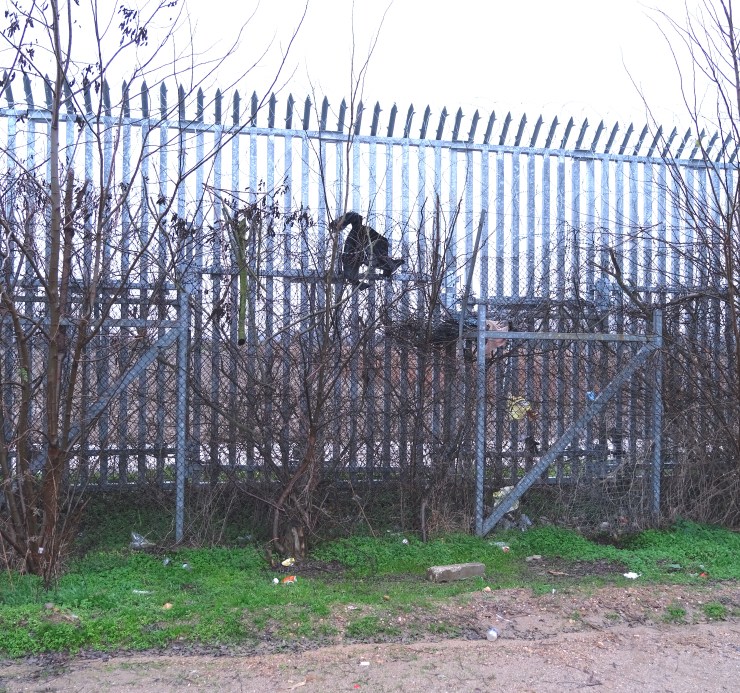
As I waved to the Frontex officers from the other side of the fabric-strewn fence, I realized that I was no-one to them, a feeling that echoed as my masters applications were being rejected. My daily struggles were getting mixed up with my intellectual pursuits, an undesirable situation for any researcher.
My research explored how the border figured in locals’ daily practices and moral discourses. Since I was there not only as a fellow citizen from the neighbouring village but also as a researcher living in Istanbul, my position inside/outside the subject communities came in handy as a tool to engage with my prejudices. It was a playful, yet at times painful, exercise to question my position and my gaze. The existence of the border was pushing me to assume a black or white perspective. Looking at Europe from its margins was confusing: my Western-style education had pulled me away from my society, and the West, with its tall fences, was not welcoming either. The growing literature showing how European moral authority was becoming weaker as border violence increased chimed with my own observations. I was struck by the economic inequality dividing Europe and its margins, the inequality that was taking my freedom of mobility away. I remember encountering Frontex officials during fieldwork. As I waved from the other side of the fabric-strewn fence, I realized that I was no-one to them, a feeling that echoed as my masters applications were being rejected. My daily struggles were getting mixed with my intellectual pursuits, a situation I did not desire as a researcher.
Fortunately, during my visits I often enjoyed the company of researchers from the “western” side of the border. Our discussions, combined with interviews with locals, helped me steer my ethical direction and critically engage with existing border theories. Since artistic research was more agile and responsive to recent events, I learned a lot from my discussions with artists as well. Considering how police violence in the Edirne Events of 2020 accentuated the cracks in the ethical narratives sustaining border and mobility regimes, these discussions were essential to ensure I was on solid ground. I also added a sub-section in my thesis methodology chapter addressing this introspective process, so that readers could also point out possible subjective remarks and components in my research output. This was my invitation to further discussion.
I hope to continue these discussions, to pose questions: How do researchers carry their prejudices as they cross borders? What could facing a border and not being able to cross it teach a researcher? It is also possible to extend these questions to cover the possible uses of subjectivity in ethnographic border research.
Looking back, I consider this experience as one where I had to engage with new facets of my identity as perceived by various institutions, and encounter the borders of my own legal personality, economic wealth, and aspirations. It was a lot of work to investigate how my gaze influenced where I looked and how I framed the analysis. I should also add that, similar to the way poverty induces depression, working from the margins affects the assessment of one’s self-worth. The feeling of inadequacy is all-pervasive for the disadvantaged. Yet constant questioning, in this case at least, is beneficial. The introspective process enables one to grasp the interplay between objectivity and subjectivity in ethnography. So, I particularly address those working/studying from the margins and invite them to demonstrate their subjective prospects of contributing to the literature.
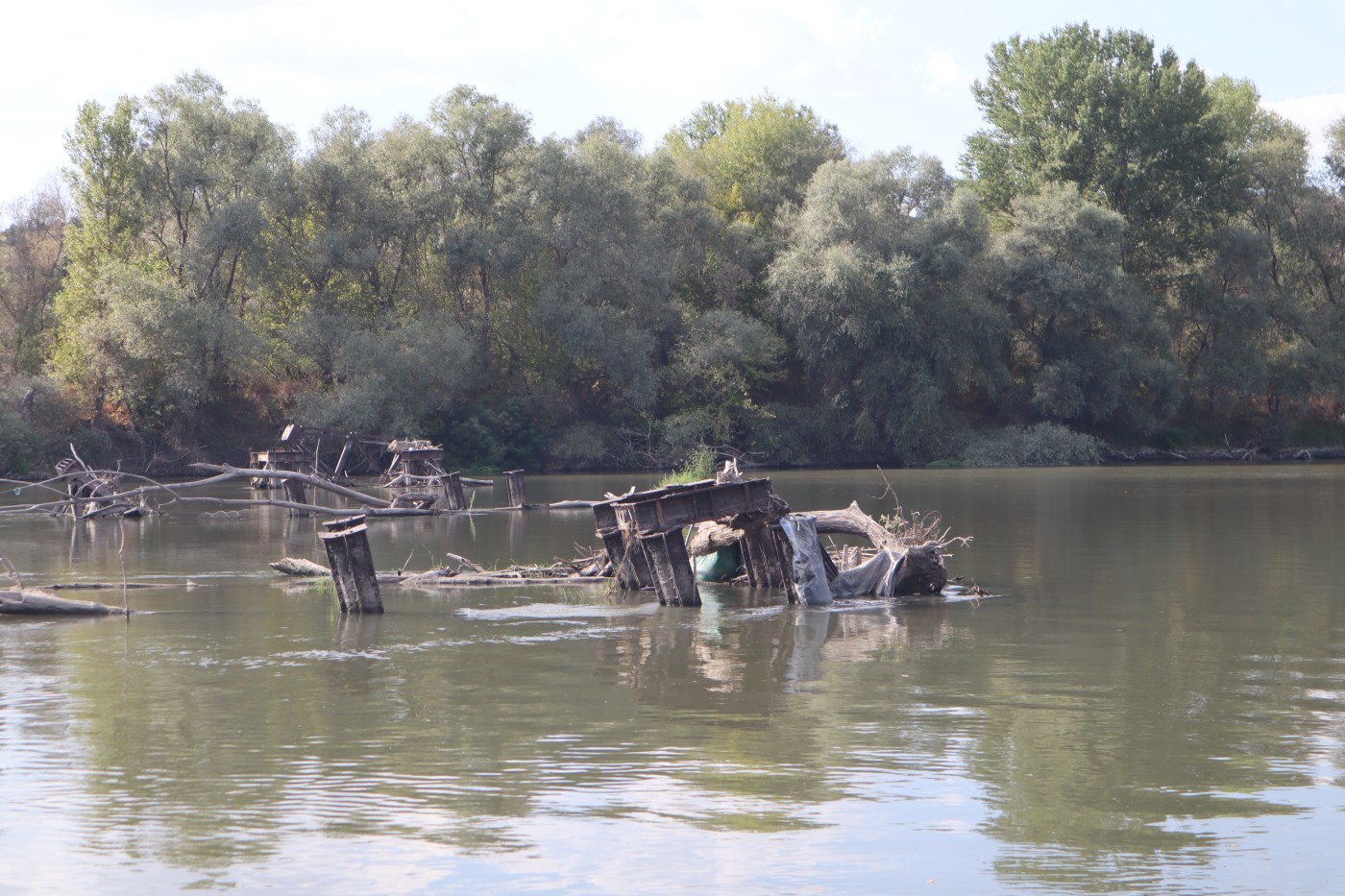
FEATURE IMAGE: RAILWAY BRIDGE OVER EVROS RIVER BETWEEN PETRADES AND ESKIKÖY. PHOTO BY CEMINAY KARA-OGUZHAN IZMIR,
Blogposts are published by TLP for the purpose of encouraging informed debate on the legacies of the events surrounding the Lausanne Conference. The views expressed by participants do not necessarily represent the views or opinions of TLP, its partners, convenors or members.
 The Lausanne Project