Adnen El Ghali talks to Giorgio Ennas about his recently published book Quand la diplomatie fait la ville, which brings together the consular and architectural histories of Tunis.
Read More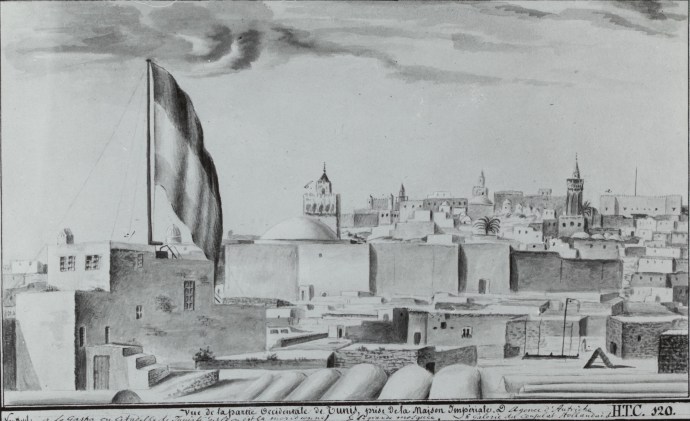
Adnen El Ghali talks to Giorgio Ennas about his recently published book Quand la diplomatie fait la ville, which brings together the consular and architectural histories of Tunis.
Read More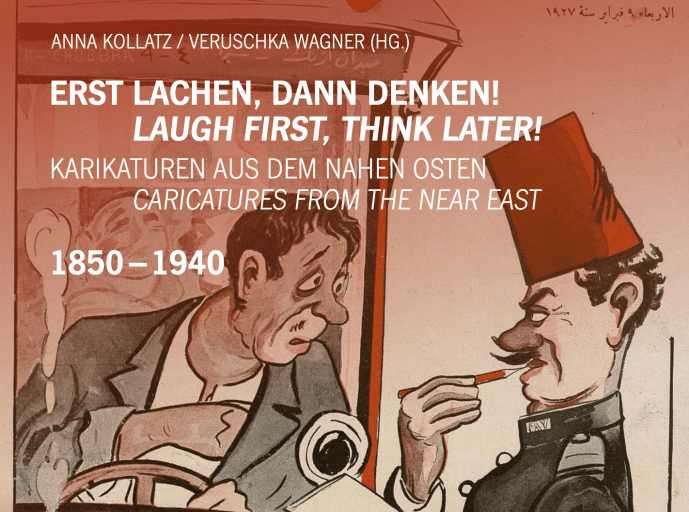
Can satire build bridges between communities, as well as between past and present? Anna Kollatz talks Julia Secklehner through Erst lachen, dann denken!/Laugh first, think later!, a recent exhibition of caricatures from the Ottoman Empire and Egypt, on display in Heidelberg.
Read More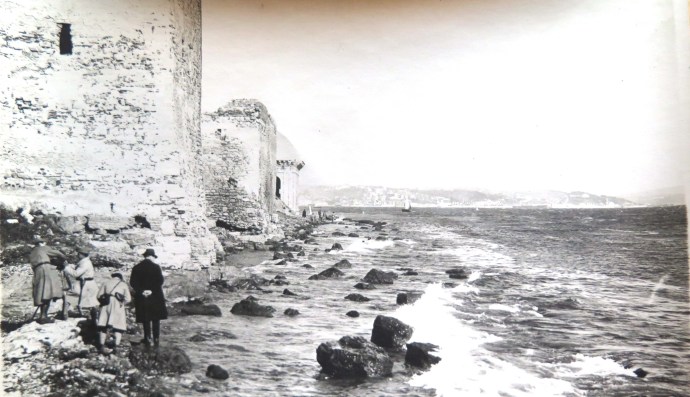
When the shooting starts, does the archaeology stop? Ceren Abi talks to Julia Secklehner about how the Ottomans and Allied powers engaged with and occasionally weaponized antiquities during the Great War.
Read More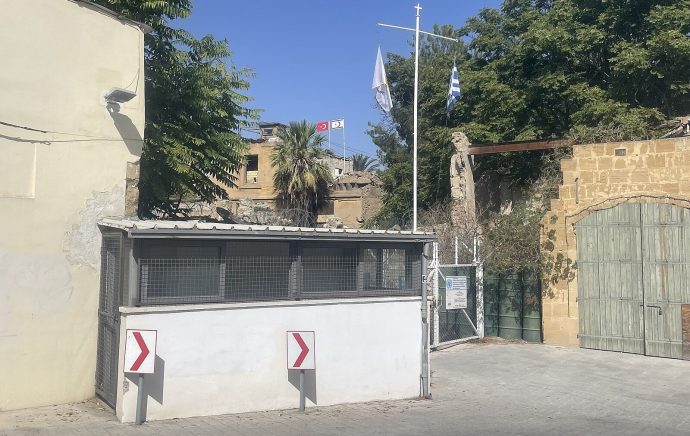
In the last of a special series hosted by Alexandria Innes and Georgios Giannakopoulos, guests Harry Tzimitras, Ahmet Sözen, Ipek Borman and Ibrahim Ince confront Cyprus’s present impasse.
Read More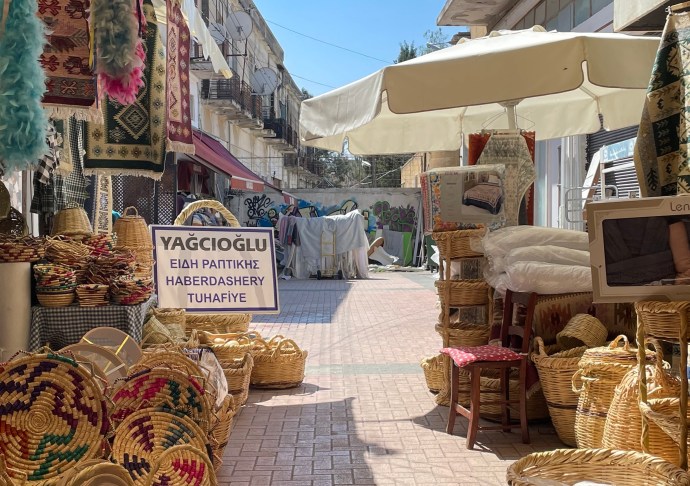
In the fourth of a special series hosted by Alexandria Innes and Georgios Giannakopoulos, guests Ibrahim Ince and Ezgican Özdemir explore how the material world records Cyprus’s division.
Read More
In the third of a special series hosted by Alexandria Innes and Georgios Giannakopoulos, guests Panikos Panayi and Giorgios Charalambous trace how Cypriots have made lives for themselves across the island’s global diaspora.
Read More
In the second of a special series hosted by Alexandria Innes and Georgios Giannakopoulos, guests Giorgios Charalambous and Ibahim Ince trace how identity intersects with partition on Cyprus.
Read More
In the first of a special series hosted by Alexandria Innes and Georgios Giannakopoulos, guests Andrekos Varnava and Beyza Kiziltepe trace how Cyprus’s division continues to live in the memory.
Read More
Alan Mikhail speaks to Bryony Harris about the place of plague, quarantine and environmental history in Ottoman Egypt.
Read More
William Stroebel introduces Jonathan Conlin to the stories Lausanne tried to silence, that combined scripts and vocabularies in ways that challenged philologists’ obsession with linguistic purity and authorial intent.
Read More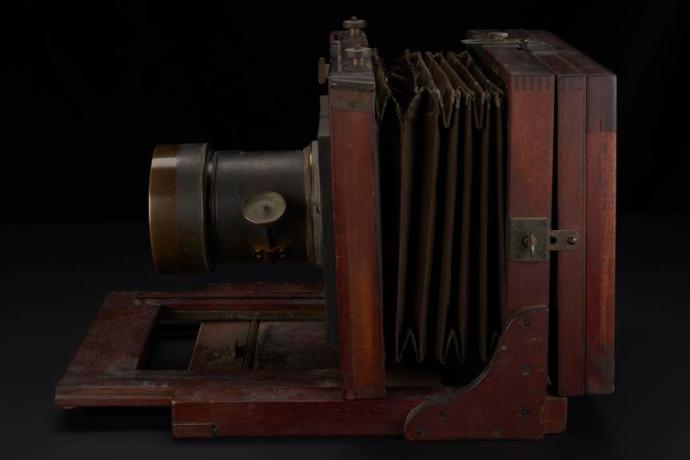
Özge Baykan Calafato introduces Julia Secklehner and Enno Maessen to her work exploring the role of photography in developing modern Turkish citizenship.
Read More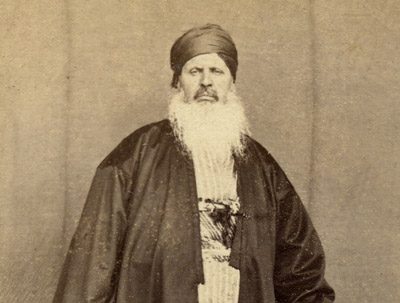
Peter Hill talks to Charles Ough about Dr Mikha’il Mishaqa, the Mount Lebanon-born polymath and US Vice Consul in Damascus whose long life encompassed some of the most important events of the tumultuous nineteenth-century in Syria and Egypt, culminating in the 1860 massacre of the Christians of Damascus in which Mishaqa narrowly escaped with his life.
Read More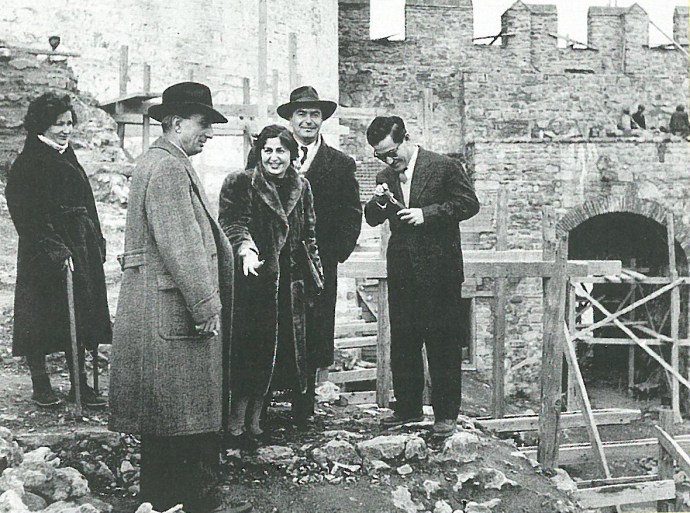
Bariş Altan introduces Julia Secklehner to Cahide Tamer, a pioneer in architectural restoration and one of the first women architects in Turkey. Recently rescued, her archive fills a gap in the story of Istanbul’s historic landmarks, while her example of courage gives inspiration to today’s preservationists.
Read More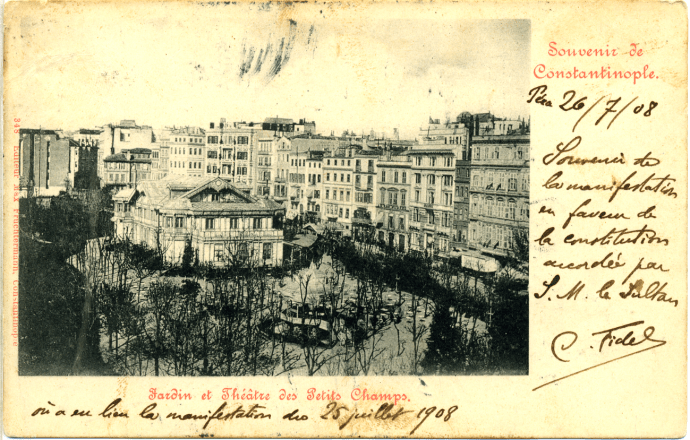
Long before the Turkish State Opera opened in 1949, Halide Edip Adıvar was mong those imagining what Turkish opera might sound like. In this conversation Jonathan Conlin asks Ici Vanwesenbeeck to explain how this remarkable polymath conceived of an opera that was neither “alla franca” nor “alla turca”.
Read More
Can Eyüp Çekiç and Enno Maessen revisit liberal internationalist David Davies’ 1919 proposal to establish the League of Nations in Constantinople, making that city the seat of a truly international order, an order that the League failed to establish in Geneva.
Read More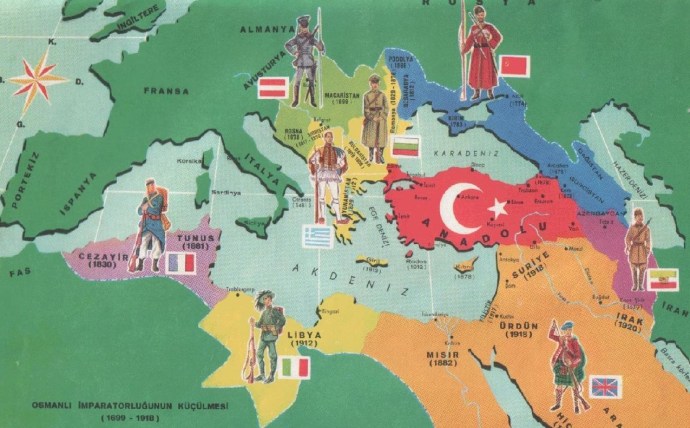
Jonathan Conlin invites Samuel Foster to explain the rationale behind his new module on “Europe in the Era of the Great War” and report on how students have engaged with imagology and uncomfortable analogies with their own times.
Read More
Ozan Ozavci talks with Ismee Tames about her ongoing research into stateless people after World War I, uncovering the communities of care that stateless individuals created to rebuild their lives.
Read More
Eugene Rogan and Ozan Ozavci discuss the 1860 massacres in Damascus, the subsequent restoration of peace in Syria, and the insights this turbulent history may offer to Syrians navigating today’s challenges.
Read More
Anna Enepekidou looks back at a project that turned high schoolers into curators as well as students of history.
Read More
Şahin Yeşilyurt introduces Giorgio Ennas to his research on the relationship between the late Ottoman Empire’s public health and fiscal regimes.
Read More
Laura Almagor talks to Ozan Ozavci about how revisiting a supposed “Founding Father of Zionism” might open new avenues into alternative pasts and futures for Israel-Palestine.
Read More
Nile Green walks Jonathan Conlin through Ikbal and Idries Shah’s unstable stable of aliases and identities.
Read More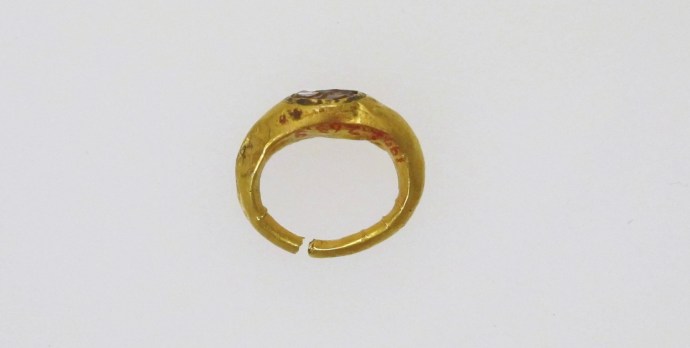
Artemis Papatheodorou talks with Enno Maessen about the stories of Ottoman Greek refugees and their attachments to antiquities in the late Ottoman world.
Read More
Emre Erol talks to Enno Maessen about Mushir Husein Kidwai, a prominent intellectual who pleaded for Muslims of the world to unite.
Read More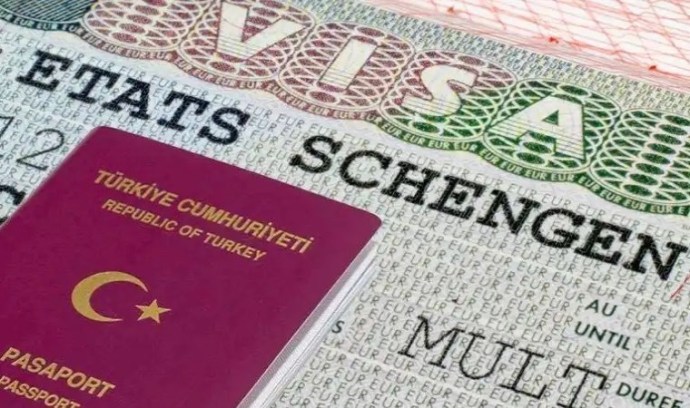
Mert Cangönül discusses his ongoing research project on the Schengen visa regime with Enno Maessen.
Read More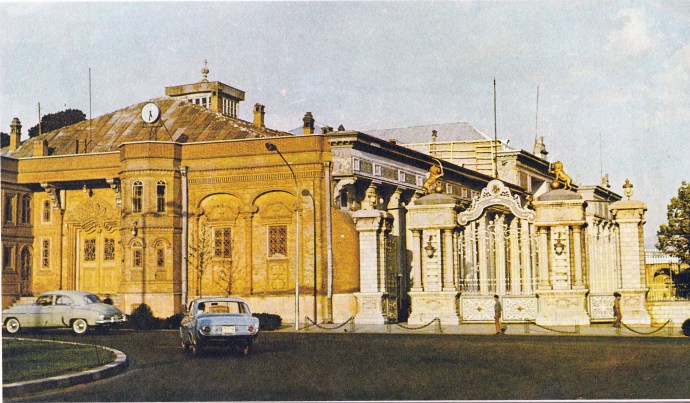
Amir Moghadam talks to Jonathan Conlin about his ongoing research into Iranian parliamentary discourse, which is shedding new light on the transition from Qajar to Pahlavi regimes.
Read More
Sara Brinegar introduces Ozan Ozavci to her new book on the politics of oil in the post-WWI south Caucasus.
Read More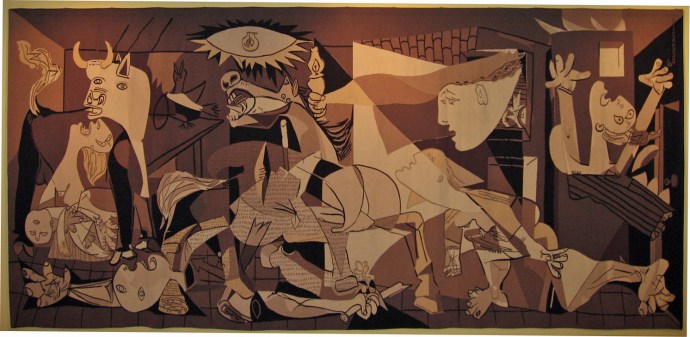
Ozan Ozavci and Demetra Tzanaki discuss eugenics, a pseudo-science that informed how the Greek state treated displaced fellow Greeks a century ago, and that lies behind our concept of meritocracy.
Read More
Vladimir Hamed-Troyansky speaks to Ozan Ozavci about his new book on North Caucasian Muslim refugees, and reveals how the Ottoman Empire developed a refugee regime half a century before the League of Nations.
Read More
Fioana Adamson and Kelly Greenhill speak about their new project on organised forced migration, past and present
Read More The Lausanne Project