Canan Balan and Jonathan Conlin discuss the emergence of early film culture in Istanbul.
Read More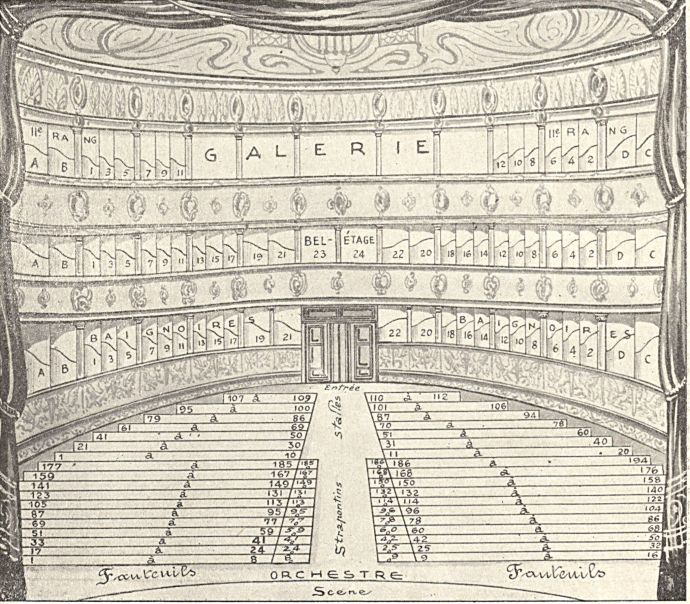
Canan Balan and Jonathan Conlin discuss the emergence of early film culture in Istanbul.
Read More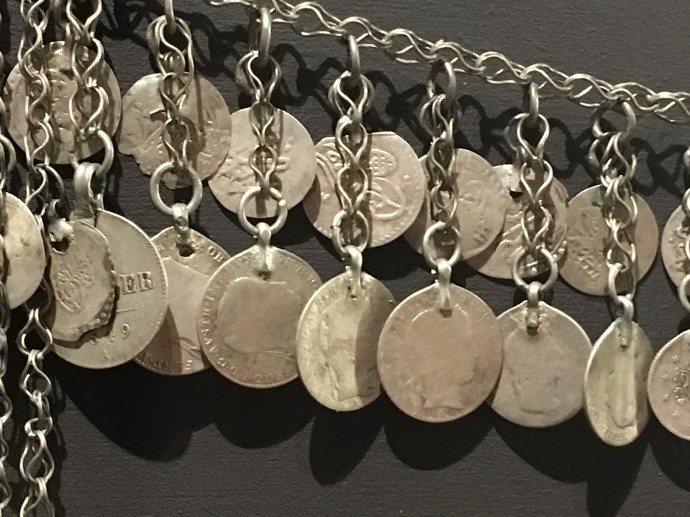
Jeremy F. Walton and Julia Secklehner discuss the ERC-project Revenant: Revivals Of Empire: Nostalgia, Amnesia, Tribulation, which grapples with the complex, overlapping post-imperial memories and legacies of the Habsburg, Ottoman and Romanov Empires.
Read More
Hélène Maloigne and Julia Secklehner explore the role of archaeology in nation-building after the First World War and the discipline’s popularization in the early twentieth century.
Read More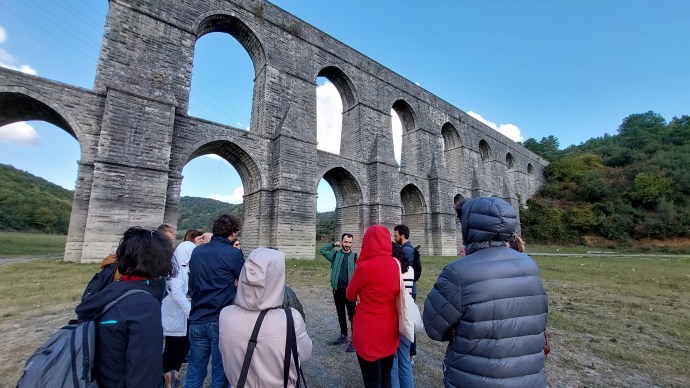
Fokke Gerritsen, director of the Netherlands Institute in Turkey, talks to Enno Maessen about the Water Heritage for Sustainable Cities project, an initiative by the Netherlands Institute in Turkey and partners.
Read More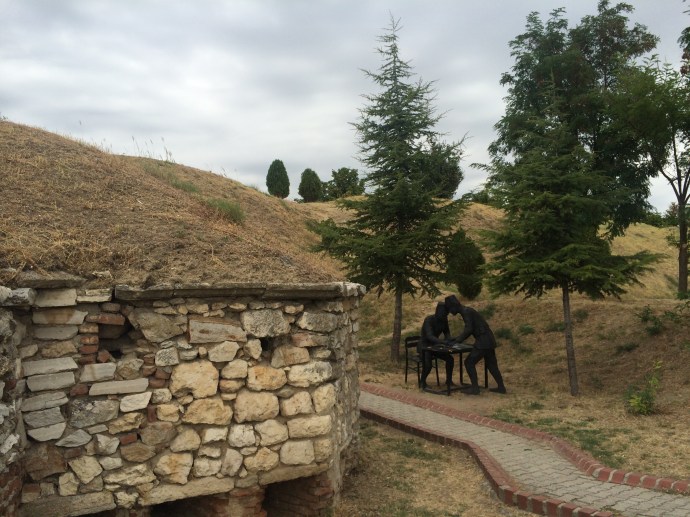
Pinar Odabasi Tasci and Jonathan Conlin discuss the contested borderlands of the late Ottoman Empire, from Edirne to the submerged exclave of Ada Kaleh.
Read More
Alp Yenen and Erik-Jan Zürcher talk about their new book, A Hundred Years of Republican Turkey: A History in a Hundred Fragments.
Read More
Jamie Walters and David Roessel introduce Jonathan Conlin to the American journalist Lincoln Steffens, whose Lausanne reports they dramatized, with the help of Eva Leaverton and Roniña Borja.
Read More
Sibel Karakoc and Jonathan Conlin explore how the American tobacco industry responded to the existential threat posed by Lausanne and the population exchange.
Read More
Paolo Girardelli and Enno Maessen discuss one of the most iconic diplomatic landmarks of Istanbul, the Palazzo Venezia.
Read More
Kent Schull and Jonathan Conlin talk textbooks: how can they do more to acknowledge forced migration as a recurring pattern in the history of the modern Middle East and the wider world?
Read More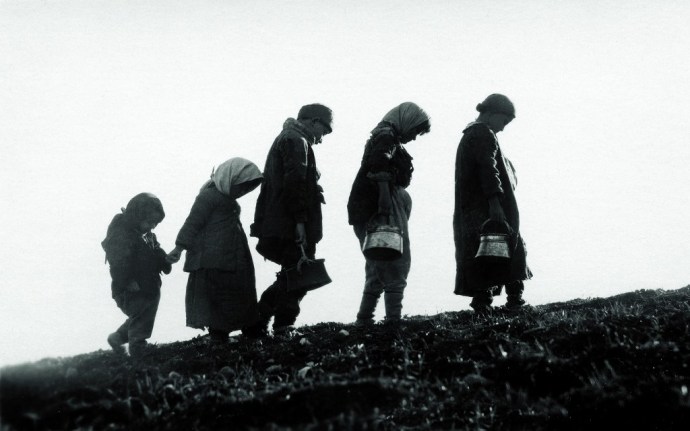
Davide Rodogno and Ozan Ozavci consider how ideas of civilisation, race, and religion shaped humanitarianism in the interwar Near East.
Read More
Nermin Elsherif and Enno Maessen explore the nostalgic world of “al-zaman al-gamil”: an online fantasy that Egypt’s “dispossessed” middle-class calls home.
Read More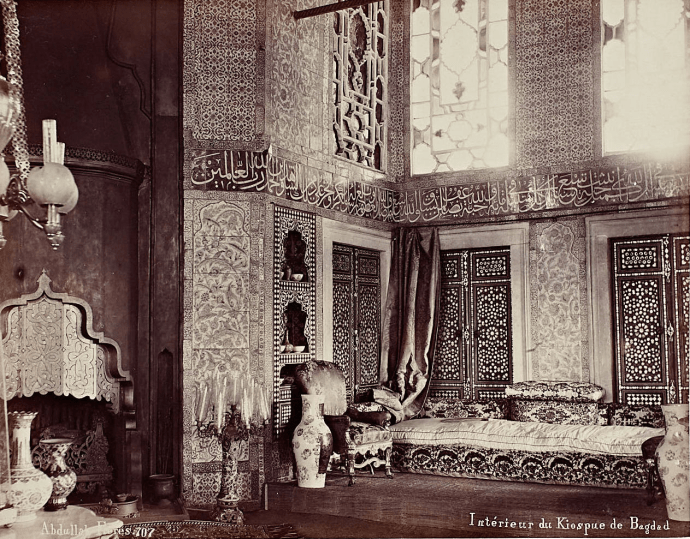
Nilay Özlü and Enno Maessen discuss the changing roles of Topkapı Palace, from Abdulaziz to the Allied Occupation.
Read More
Arie Dubnov and Jonathan Conlin discuss the founding father of “World History”.
Read More
Mostafa Minawi and Ozan Ozavci discuss the stories of Sadik and Shafiq al-Mu’ayyad Azmzade, two İstanbullu imperialists from Syria, who experienced the loss of the very empire that defined them.
Read More
In the second part of their conversation, Edhem Eldem tells Enno Maessen that Ottoman historians need to get a life.
Read More
Edhem Eldem and Enno Maessen on why it isn’t always easy being a historian of Ottoman and Turkish history.
Read More
Mehdi Sajid tells Ozan Ozavci the story of Shakib Arslan, a member of the Syrian-Palestinian delegation at Lausanne who sought to keep the Ottoman dream alive.
Read More
The artist Spyros Aggelopoulos talks to Julia Secklehner about the importance of the folk hero Karagiozis in his work.
Read More
Laura Robson explains to Ozan Ozavci how international refugee policies of the early 1920s put the “enterprise” in “humanitarian enterprise.”
Read More
Olga Lafazani uses the contrasts between 1922-4 and 2015 to ask hard questions about whose interests are behind the conceptualization and management of “refugee crises”.
Read More
Stefan Slater and David Macfadyen talk to Julia Secklehner about the how they are reviving interest in Aloïs Derso and Emery Kelèn, whose career as caricaturists to the League and United Nations was launched by a chance meeting at Lausanne.
Read More
Ilkim Büke Okyar and Konstantinos Travlos talk to Julia Secklehner about Greek and Turkish caricatures, a neglected resource for historians of identity and conflict in the decades around the Great War.
Read More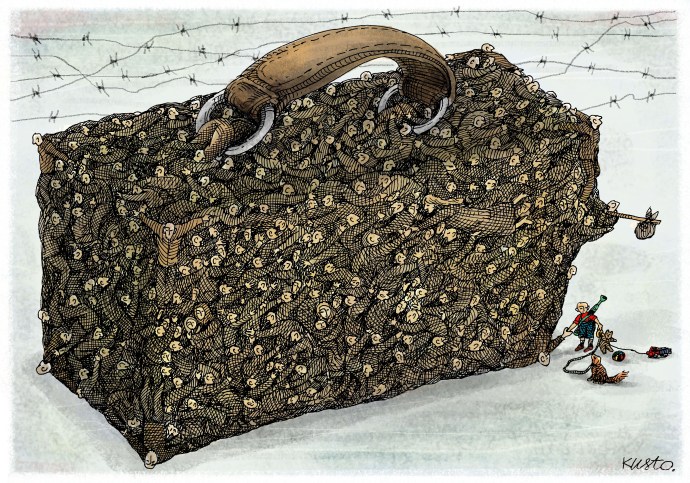
Kristina Gedgaudaite talks to Julia Secklehner about her research on cultural memory, migration, and graphic novels in contemporary Greek culture.
Read More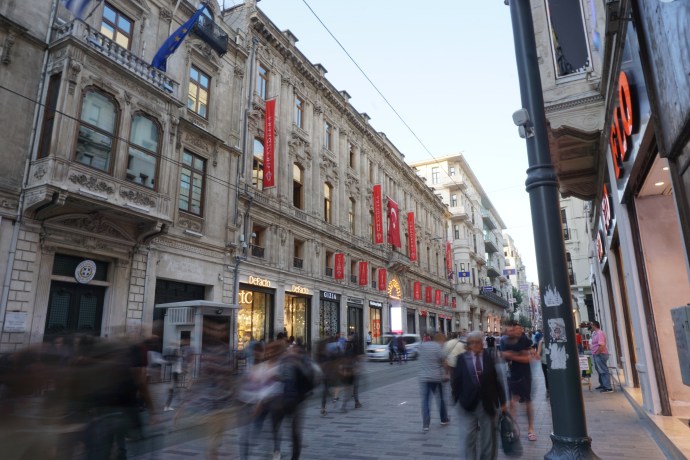
Enno Maessen takes Jonathan Conlin on a tour of Beyoğlus past, present and future, from the Deutsche Schule to Emek Sineması.
Read More
Aslı Iğsız and Jonathan Conlin discuss how a concept of civilisation has been represented and exploited, from the age of Ismet and Toynbee to that of Erdoğan, Samuel Huntington and Krishan Kumar.
Read More
Isaac Hand talks to Jonathan Conlin about his current research into inter-war Turkish urbanism, particularly the contested role of the muhtar.
Read More
Mari Firkatian tells Ozan Ozavci how she discovered the lost archives of the Stancioff family, uncovering the secrets of Nadejda Stancioff, the only woman diplomat at Lausanne.
Read More
Smyrna/İzmir was in ruins in September 1922. Philip Mansel explains to Ozan Ozavci how that unique entrepot changed from a Greek-cosmopolitan to a Turkish port town, and the devastating consequences of the Great Fire.
Read More
Howard Eissenstat shares with Ozan Ozavci his concerns around the language of post-post-Kemalism, before a lively discussion on Turgut Özal, the 1990s, and whether this might be Recep Tayyib Erdoğan’s last year in power.
Read More The Lausanne Project