
Kemal Deniz Karabacak on how he encountered traces of Greek-speaking Muslim exchangees in his own backyard of Çatalca.
Read More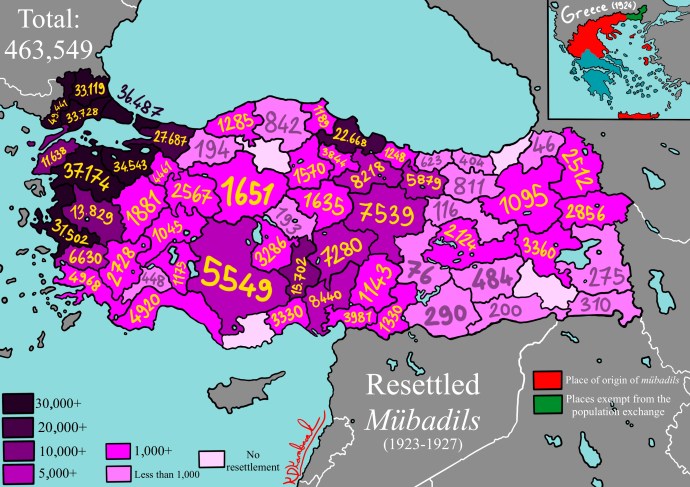
Kemal Deniz Karabacak on how he encountered traces of Greek-speaking Muslim exchangees in his own backyard of Çatalca.
Read More
In the third of a special series hosted by Alexandria Innes and Georgios Giannakopoulos, guests Panikos Panayi and Giorgios Charalambous trace how Cypriots have made lives for themselves across the island’s global diaspora.
Read More
In Nea Roda, Ethan Chandler traces the thread between treaties, pomegranates and refugees.
Read More
Salih Yasun on how unexpected and intimate ties connect Kavala to Alexandria via Görükle.
Read More
Ozan Ozavci talks with Ismee Tames about her ongoing research into stateless people after World War I, uncovering the communities of care that stateless individuals created to rebuild their lives.
Read More
Anna Enepekidou looks back at a project that turned high schoolers into curators as well as students of history.
Read More
Laura Almagor talks to Ozan Ozavci about how revisiting a supposed “Founding Father of Zionism” might open new avenues into alternative pasts and futures for Israel-Palestine.
Read More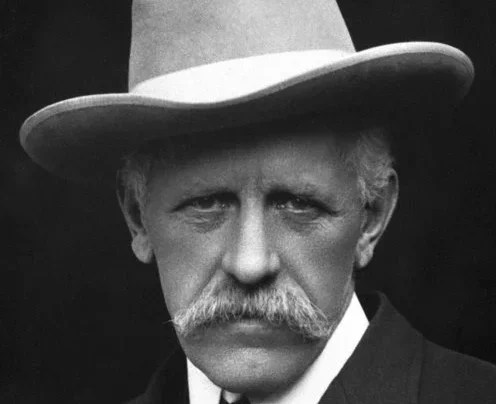
Gözde Kırcıoğlu on the silent impact of the Nansen Report on the 1923 Greco-Turkish population exchange convention.
Read More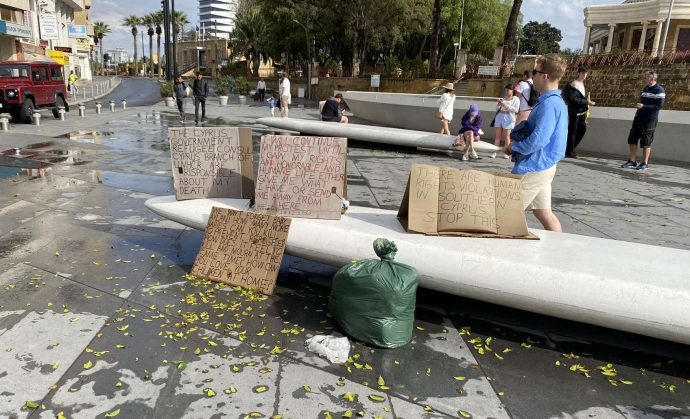
Felix Pluck, Joseph Milledge, and Tom Aspery investigate how asylum seekers negotiate borders in Cyprus.
Read More
Vladimir Hamed-Troyansky speaks to Ozan Ozavci about his new book on North Caucasian Muslim refugees, and reveals how the Ottoman Empire developed a refugee regime half a century before the League of Nations.
Read More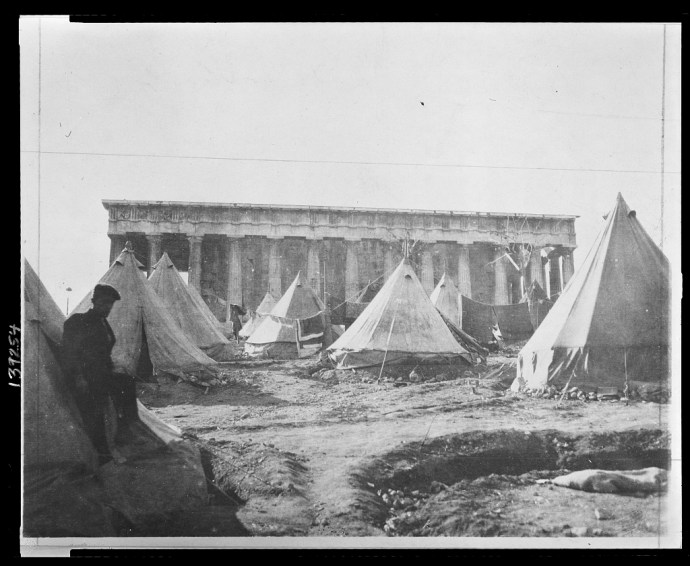
Η Beste İşleyen υποστηρίζει ότι είναι καιρός το EU Studies να αναγνωρίσει τις συνδεδεμένες ιστορίες της «προσφυγικής κρίσης» στο Αιγαίο.
Read More
Fioana Adamson and Kelly Greenhill speak about their new project on organised forced migration, past and present
Read More
Sibel Karakoc and Jonathan Conlin explore how the American tobacco industry responded to the existential threat posed by Lausanne and the population exchange.
Read More
Kaleb Herman Adney shows how post-Ottoman Macedonia’s tobacco-centred economic infrastructure struggled to accommodate the transfer of Muslims’ movable property during the population exchange.
Read More
Laura Robson explains to Ozan Ozavci how international refugee policies of the early 1920s put the “enterprise” in “humanitarian enterprise.”
Read More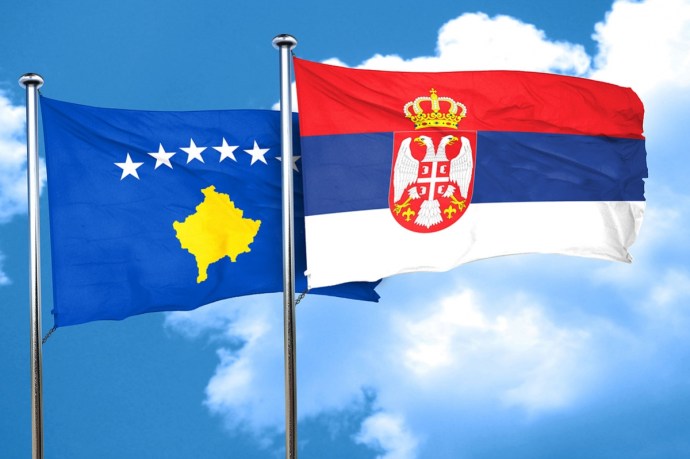
Danilo Sarenac yakın dönemdeki Belgrad-Priştine diyaloğunun Lozan’dan nasıl esinlendiğini anlatıyor.
Read More
Olga Lafazani uses the contrasts between 1922-4 and 2015 to ask hard questions about whose interests are behind the conceptualization and management of “refugee crises”.
Read More
Charalampos Gappas explores the conflicting demographic, military and humanitarian agendas that swirled around a 1919 mission to the Greek communities of the Caucasus organized by Greece.
Read More
Ο Αλέκος Λάμπρου αφηγείται την απίστευτη ιστορία των Ελλήνων προσφύγων στην Τουρκία κατά τη διάρκεια του Β’ Παγκοσμίου Πολέμου.
Read More
H Gözde Kırcıoğlu για τον σιωπηλό αντίκτυπο της έκθεσης Νάνσεν στη σύμβαση ελληνοτουρκικής ανταλλαγής πληθυσμών του 1923.
Read More
O Aytek Soner Alpan συζητά τις δυσκολίες που αντιμετώπισαν οι Τούρκοι (μουσουλμάνοι) ανταλλάξιμοι μετά το 1923 και πώς αντιστάθηκαν στις υπερβολικά συγκεντρωτικές και χαοτικές πολιτικές που υιοθέτησε η τουρκική κυβέρνηση.
Read More
Όπως σημειώνει ο Danilo Sarenac, ο πρόσφατος διάλογος Βελιγραδίου-Πρίστινας είδε πολλές σημερινές ανταλλαγές πληθυσμών τύπου Λωζάνης ως το κλειδί για την ειρήνη στα σημερινά Βαλκάνια.
Read More
Οι Felix Pluck, Joseph Milledge και Thomas Aspery ερευνούν πώς ένας αιτών άσυλο διαπραγματεύεται τα σύνορα στην Κύπρο.
Read More
Η Ελένη Κυραμαργίου σε ένα πρωτοποριακό έργο που πραγματεύεται τον υλικό πολιτισμό των προσφύγων και τα πολλαπλά επίπεδα μνήμης.
Read More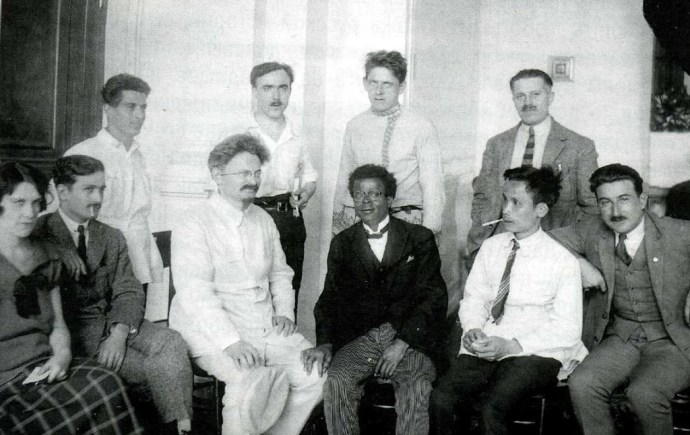
Ο Κωστής Καρπόζηλος για το πώς μια ομάδα τριάντα εργατών από την Κωνσταντινούπολη επανεφηύρε τον ελληνικό κομμουνισμό και μετέτρεψε τον «πρόσφυγα από την Ανατολή» σε διεθνή μπαμπούλα.
Read More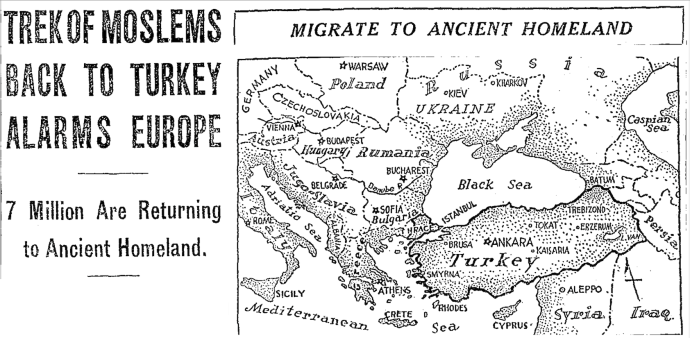
Leyla Amzi-Erdoğdular εξετάζει πώς το νεοσύστατο Βασίλειο των Σέρβων, Κροατών και Σλοβένων ξεκίνησε τη βίαιη εκκαθάριση του μουσουλμανικού πληθυσμού του, στέλνοντάς τους αδίστακτα «πίσω» στην Μικρά Ασία– ένα ακόμη παράδειγμα του πώς η Λωζάνη ομαλοποίησε τις ανταλλαγές πληθυσμών ως «λύση» στο «πρόβλημα των μειονοτήτων».
Read More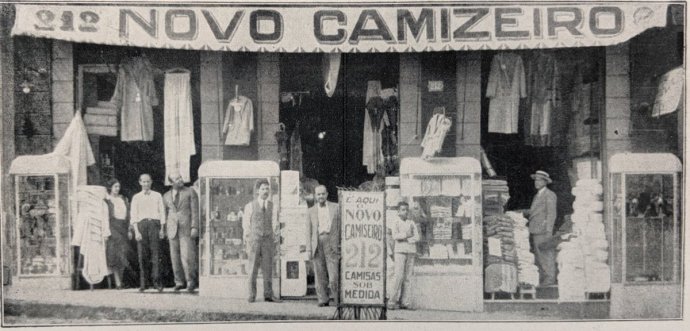
Stacy D. Fahrenthold, ξετυλίγει τα νήματα με τα οποία οι Σύριοι επιχειρηματίες έραψαν το φημισμένο εξαγωγικό εμπόριο δαντέλας και λινών της Μαδέρας.
Read More
Beste İşleyen, bir disiplin olarak Avrupa Birliği Çalışmaları’nın Ege’deki mülteci krizine tarihsel bir perspektifle bakması gerektiğini savunuyor.
Read More
Eleni Kyramargiou on a pioneering project addressing the material culture of refugees and the multiple layers of memory.
Read More
Leyla Amzi-Erdoğdular considers how the newly-established Kingdom of Serbs, Croats, and Slovenes set about forcibly cleansing itself of its Muslim population, ruthlessly sent “back” to Anatolia – yet another example of how Lausanne normalized population exchanges as a “solution” to the “minority problem.”
Read More The Lausanne Project